
PRESS

Can I get a medical marijuana card in Mississippi for back pain? Learn how certification works, what to bring, and how to book your appointment today.

Can I get a medical marijuana card in Mississippi for cancer? Learn eligibility, certification steps, and costs, then book your visit today.

Get or renew your medical marijuana card Madison Ridgeland MS with Pause Pain and Wellness. $150 new, $125 renewal. Book your visit today.

Learn how to prepare for your medical marijuana card evaluation in Mississippi: what ID and records to bring and questions to expect. Book today.

Get your medical marijuana card in Starkville, MS. Learn the certification and renewal steps, plus pricing: $150 new, $125 renewal. Book today.

Do I need to see a doctor again to renew my medical marijuana card in Mississippi? Learn how renewal works and book your $125 renewal visit today.
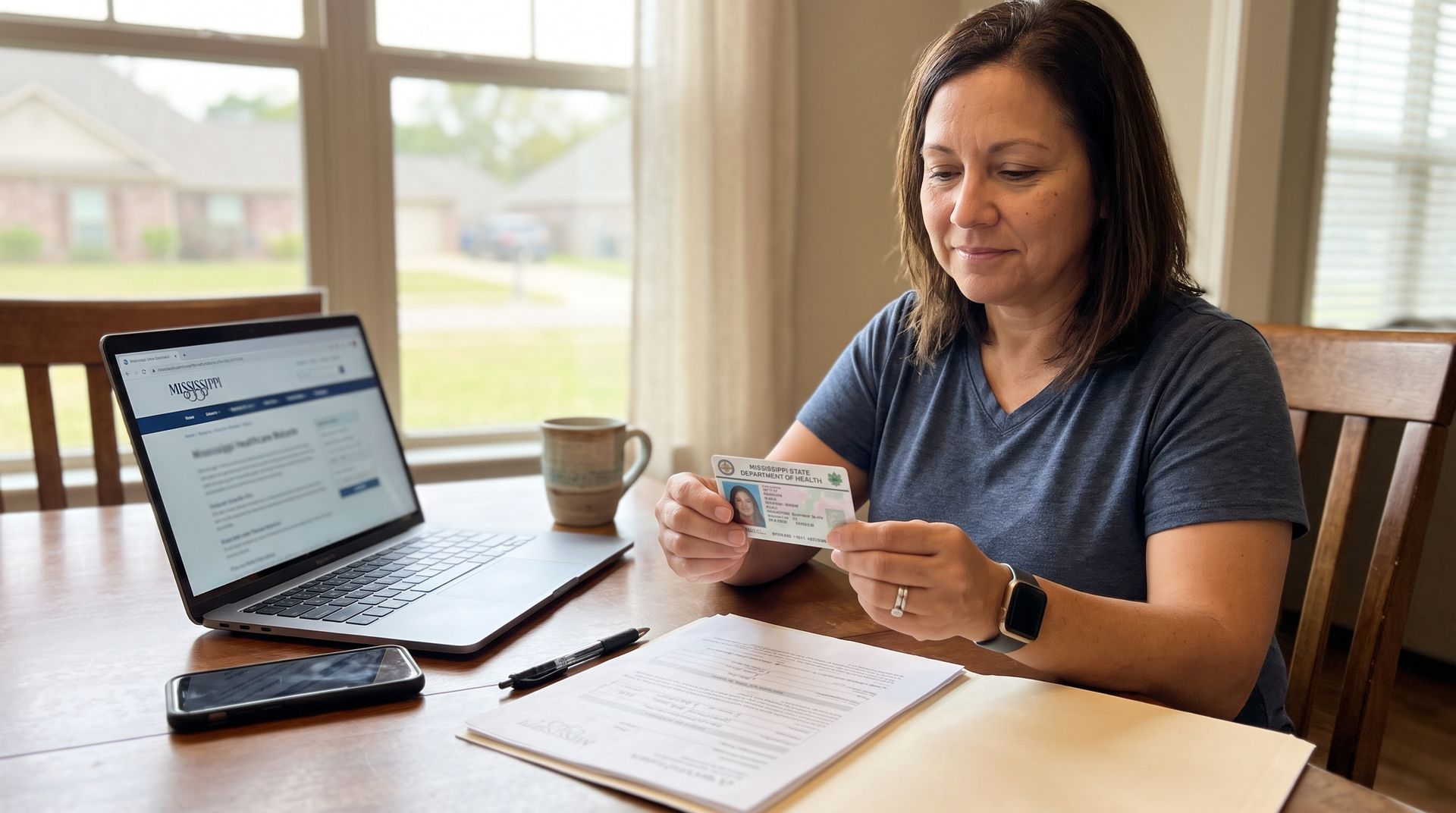
Learn Mississippi medical marijuana card rules and patient rights, plus cardholder responsibilities. Book your certification or renewal today.

If you are wondering, "can I get a medical marijuana card in Mississippi for migraines?" the answer depends on an evaluation by a qualified practitioner. Mississippi's program requires a practitioner to certify that a patient has a debilitating medical condition, and that decision is made patient by patient. This guide explains how the process works, what to prepare, and what it costs. Key takeaways Eligibility is decided by a qualified practitioner's evaluation of you as an individual, and approval is never guaranteed. Confirm the current list of qualifying conditions with the Mississippi State Department of Health. Pause Pain and Wellness charges $150 for new patients and $125 for renewals. Bring ID, proof of residency, migraine records, and a list of your treatments to your appointment. Book now at (833) 940-5060. Can I Get a Medical Marijuana Card in Mississippi for Migraines? Short answer for migraine patients Possibly. Many people with chronic, disabling migraines ask this question, and the answer comes down to a clinical evaluation. A qualified practitioner reviews your history and decides whether you meet the program's requirements. No one can promise you an outcome before that evaluation takes place. What you can do is prepare well and ask for an assessment. Why a clinician's evaluation decides eligibility Mississippi's medical marijuana program requires a qualified practitioner to certify that a patient has a debilitating medical condition. That certification is based on the practitioner's evaluation of the individual patient, not on a general rule about a diagnosis name. Because the list of qualifying conditions can change, confirm the current version with the Mississippi State Department of Health before your visit. Your practitioner can then explain how your specific situation fits the program's requirements. How Migraines Are Evaluated for Medical Marijuana Certification This section describes general information about how evaluations tend to work. The certifying clinician makes the final decision, and nothing here suggests that cannabis cures or treats migraines. Chronic versus occasional migraines Practitioners often want to understand how frequently your migraines occur and how long they last. A pattern of recurring, long-lasting episodes is typically viewed differently from a rare headache. Keep a simple log of dates, durations, and severity for a few weeks if you can. It gives the practitioner a clearer picture than memory alone. Symptoms and severity a provider may review A provider may ask about the full range of what you experience, not just pain. Expect questions about: Pain intensity and location Nausea or vomiting Sensitivity to light or sound Visual changes or aura How migraines affect work, sleep, family life, and daily routines Prior treatments and how they worked Your treatment history matters. Be ready to describe medications and other approaches you have tried, how long you used them, and whether they helped or caused side effects. Honest, specific answers help the practitioner assess your situation accurately. Documents and Records to Bring to Your Appointment Requirements can vary, so confirm what you need with the state program and when you book. The checklist below covers what most patients find helpful. Proof of Mississippi residency and ID Bring a valid government-issued photo ID and documentation showing you live in Mississippi. Ask at booking exactly which documents are accepted so you arrive prepared. Medical history and migraine records Records from your primary care provider, neurologist, or urgent care visits can show your diagnosis and history. Imaging results, visit notes, and your migraine log are all useful if you have them. Medication and treatment list Write down current and past medications, supplements, and therapies. Include what worked, what did not, and any side effects you noticed. Step-by-Step: Getting Certified as a New Patient The general process has three stages. The table below summarizes them.

How much does it cost to renew a medical marijuana card in Mississippi? Renewal is $125 at Pause Pain and Wellness. Book now and renew on time.

Can I get a medical marijuana card in Mississippi for insomnia? Learn how qualifying conditions work and how to get certified. Book your visit today.